Respect ‘others’.

Respect ‘others’.

If you don’t respect others, you can’t be respected by others.

If you have Yeohyeom (hates women without obvious reason), people will hate you without obvious reason, too.

The Yeohyeom phenomenon is a debate between men and women in Korea, but it should be argued about the human right of human-to-human.

Here is a very good example to explain why we ‘respect’ others. TV campaign in Australia.

Yeo-hyeom, 여혐?

In the previous blog post, I talked about a tragedy in Gang Nam Station, Seoul. A young college woman was stabbed to death in a crazy murderer attack. This murder thought women always ignored him so he planned to kill ‘any’ women on that day.

Yes, this is heinous crime and now we (Koreans) are at a loss what to do. There was a heated debate about the right of women in Korea for a long time but after this crazy incident, the debate about ‘living as women in Korea’ brings related hot arguments among people, especially in various social media such as Facebook and Twitter.

A Yeo-hyeom phenomenon is an example. Yeo-hyeom is a new coined Korean word and it means an attitude that someone (mostly (some sort of)men) hates women abnormally without obvious reason/ or someone hates women abnormally because women are women.

Of course, I cannot generalise ‘every men’ in Korea have Yeo-hyeom mind to women, some of men in Korea, I hope. But the one obvious thing is there is a debate about this phenomenon (Yeo-hyeom) between men and women. For me, as a women who lives in Korea, I was also furious when I read this crazy incident and I understand why there is a continuous argument about this tragedy what ‘men’ did to ‘women’. I know it should not be a dichotomous fight between ‘men’ and ‘women’. But, what do you think? This murderer killed that young women only because he hates women. Then? This means that that young women shouldn’t be killed by that psycho if she wasn’t a woman.

In other words, it could be any women. It could be me, my friends, my neighbours anyone who are women in Korea. That’s why this phenomenon brought us to think deeply about the issue of ‘Yeo-hyeom’ in Korea and we (women) now decided to fight with them (maybe men? or any one/any society who hates women without obvious reason. Women shouldn’t be received unfair only because we are women.

Why do we have to worry about going to public toilet? Why do we have to worry about being killed by anyone on the street? Why?

I don’t want to generalise that ‘all men has Yeohyeom’.But one thing is obvious that this society wants women to be ‘womanly-women’. And people (both men and women, not everyone) in Korea pointed to ‘not enough womanly-woman’. There are gender stereotypes in every culture and Korean society also have ‘stereotypes about women’. I think we (women) should deny these ‘stereotypes about women’ that decided by ‘others’. At the same time, we (women) should also deny the ‘stereotypes about women’ that were inherent in ourselves, too.

Screen Shot 2016-05-28 at 5.53.59 PM.png

“women always ignore me”

l_2016051801002526200191929.jpg

A 23-year-old female college student were murdered by a stranger man whom never met before. This crazy man stabbed to death her in a public toilet near Gang Nam Station, Seoul, Korea. He was outraged at women because he thought “women always ignore him”. With only this reason, he killed an innocent utter stranger in a public toilet. (click the link below to read a news article)

http://www.koreatimes.co.kr/www/news/nation/2016/05/116_205091.html

Now, “WE”, Korean women as well as (some of) men, are taking reactions about this mad incidents. Numerous post-it messages are posting at the exterior of Gang Nam Station entry. We also post photos and messages on Instagram as well.

“You lived that day  because you’re a man and I survived from that day because I’m a woman”

The murder killed her because she is a woman, this means that it could be any ‘WOMAN’ on that day. Maybe we have to go to the toilet together or I won’t use any (unisex) public toilet from now on. Why do we have to worry about living this city? Why do only we (women) have to worry about it?

Rest in peace.

Happy Buddha’s birthday!

image
Wish stone tower 소원 돌탑
image
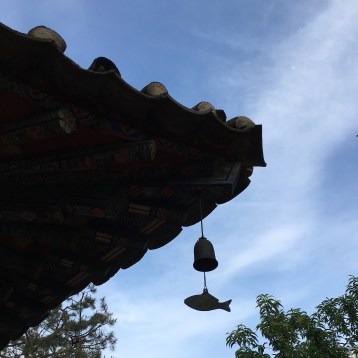
Wind-bell 풍경
image
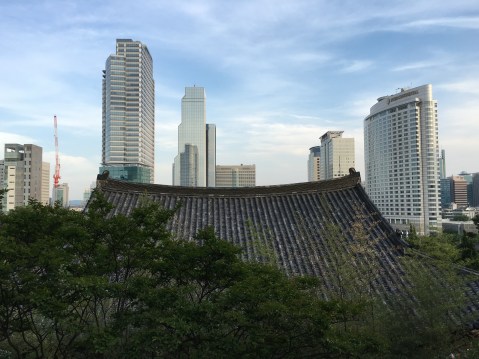
Bongeunsa Temple 봉은사

I mentioned before, there are so many special days in May in Korea. Yes, you can tell what I’m talking about when you read my posts in May. They are all about special days!

Today is Buddha’s Birthday so my family went to the Bongeunsa Temple near my house. My family is catholic but we go to the temple on special day like today. I saw so many ajummas to wish and pray for their family.

I will write more ajumma-related blog post next week. Enjoy Buddha’s birthday!

전에도 말했다시피, 한국의 5월은 날씨도 너무 아름답지만 특별한 날들이 참 많다. 어린이날 어버이날 부처님오신날 스승의 날 등등! 오늘은 바로 부처님 오신날! 그래서 부모님과 함께 집근처 봉은사에 갔었다. 우리집은 가톨릭 신자지만 이런 날에는 절에 가서 구경도 하고 한다. 종교가 다르다고 남의 종교가 틀린건 아니니까, 그리고 모든 종교는 다 연결되어 있다고 생각도 든다. 결국 착하게 남을 도우며 성실하게 잘 살기위해 종교를 갖는것 아니겠는가? (종교적인 부분은 매우 예민하니까 이쯤에서 그만)

오늘도 봉은사에서 많은 아줌마들을 봤다. 기도를 드리고 돌탑을 쌓아두고 등을달고 초에 불을 붙이고…이는 모두 그들의 가족들의 안녕을 위한 것이리라 생각이 든다. 우리의 모든 어머니들 즉 우리의 모든 아줌마들이 그렇게 가족을 위해 또 오늘도 살아간다.

아줌마들 모두 화이팅! 그리고 다음주에는 아줌마에 대한 포스팅을 곧 올리겠다! 즐거운 연휴 보내시길!

요즘

블로그가 조용하다. 쓸거리는 머릿속에 많은데 바쁘다는 핑계로 글을 못올리고 있다. 사실 이번주에 포스팅하려고 했는데 월요일부터 팔을 다치는 바람에 지금도 아이폰으로, 한손으로 타이핑 하는중!

image

다음주에 아줌마에 관련된 포스팅 바로 올라옵니다! 판타스틱한 오월의 하늘을 마음껏 즐기시길!!!!

Happy Parents’ day!

image
캡션 입력

Happy Parents’ Day to all the mums and dads in the world! Yes we have Parents’ day on 8th May every year.

Thank you for your unconditional love to my mum and dad! Love you so much. You are the best parents for me.

어버이날 모두 감사합니다! 사랑합니다!

Happy Children’s day!

image.jpeg

The pink balloon is waiting for the Children’s day parade. (어린이날 기념 행사를 위해 기다리고 있는 분홍 풍선)

5th May is Children’s day in Korea. And this week we have Parents day on 8th as well. May is a family month for us and there will be Ajumma day on 31st!

Happy Children’s day and I will be back with new blog post soon.


Another new project for Ajummas

IMG_6226

I tried to make Ajumma dolls before I made a Digital Ppal-let-ter video. Now, I’m thinking to do something very exciting and fun project for Ajummas. I can’t say the clear idea for this new project yet but one thing I can say for now is that this project will be enjoyable for everyone (not too serious or academic project). Through this blog, I will keep posting articles about ajummas (from academic research to miscellaneous stories) and at the same time I will upload the new project for ajummas as well.

Ajummas!

image.png

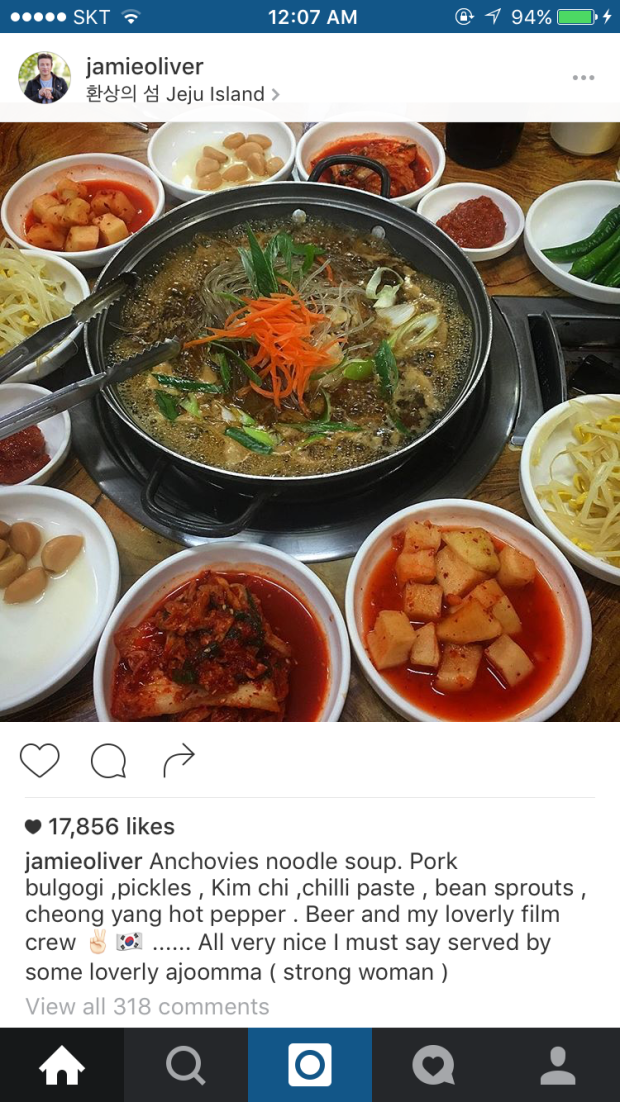
Image was captured from Jamie Oliver’s Instagram

As you can see the captured photo above, Jamie Oliver mentioned about Ajumma (he typed as ajoomma). Yes, ajummas are strong  and at the same time lovely women. I’m so glad to read his comment about ajumma. They are part of our culture, I think.

아줌마, 하우머치 이즈잇 (how much is it)?

일요일 오후에 가족끼리 점심식사를 하러 나갔다. 주말마다 장도보고 커피도 마시고 밥을 먹는 일이 우리 가족에겐 일상이다. 명동에 잘 가는 중국집이 일요일이라 문을 닫은 탓에 한 번도 가보지 않았던 그 옆에 있는 다른 중국집에 가서 먹었는데 맛은 역시 우리가 늘 가던 그 집과는 비교가 안된다. 그래도 뭐 우리 가족은 중국음식은 워낙 다 좋아하는 편이라 시켜놓은 음식을 다 먹고 명동을 벗어나 광장시장에 들렀다. 배도 부르고 해서 시장구경도 할 겸, 또 오늘은 엄마가 얇은 이불 (거실에서 가볍게 덮을 수 있는)을 하나 사고 싶다고 하셔서 겸사겸사 그렇게 시장구경에 나섰다.

광장시장이 유명해지기 전의 모습은 이제 찾아볼 수 없는 정말 잇 플레이스가 되어버린 광장시장의 모습을 볼 때 마다 놀랜다. 어렸을때 아빠따라 구경왔을때만 해도 ‘아는 사람들’만 오던 그런 시장의 모습이었는데 지금은 남녀노소 그리고 외국인 관광객들까지 오고 싶어하는 곳이 되었다니 왜 내가 다 기분이 좋은지! (싱가폴에서 친구녀석들이 왔을때도 광장시장 가고 싶다고 해서 지하철 타고 가는 법을 일러주었었다)

대구탕집이 즐비한 곳을 지나기 직전에 이불집을 발견한 엄마는 가게안으로 들어가 사고싶은 이불을 고르고 있었고 나와 아빠는 가게안에 너무 비좁았기때문에 밖에서 기다리고 있었다. 그러던 중 외국인 관광객들이 그 가게 앞에서서 베개와 이불을 들춰보며 관심을 보이기 시작했고, 안에 있던 또 다른 아줌마 한 분이 나왔다. 그 외국인이 이불을 가르키며, “아줌마 how much is it?” 이라고 했고 아줌마는 “만오천원!” 이라고 대답했다. 이 둘 사이에는 소통이 전혀 되지 않았고, 아줌마는 아줌마대로 또 외국인은 외국인대로 답답해 하던 차에, 이 오지랖 넓은 내가 중간에 나서서 영어로 값을 알려주었다. 외국인은 이것저것 가격을 계속 물어보더니 이내 이불하나를 사갔다. 아줌마가 고맙다고 하셨는데 아 뭐 한것도 없는데 괜히 좀 그랬다.

아무튼, 여기서 내가 놀라고 기분좋았던 건, 바로 그 외국인들이 “아줌마” 라는 호칭을 사용한 점이다. 아줌마 라는 호칭은 많은 뜻을 포함하고 있는데 동시에 한문장으로 정의내리기가 쉽지 않다는 점도 있다. 한국에만 존재하는 이 아줌마라는 존재는, 한국의 문화와 한국의 사회를 모두 포함하고 있는 것이다. 내가 논문에서 말했듯이 영어권의 ‘excuse me’와 같이 이름도 성도 모르는 중년 여성을 부를때 혹은 식당에서 주문을 하고 싶을때 등의 경우에 한국에서는 ‘아줌마’라는 단어를 쓰기도 하지만, 아줌마는 그보다 더 다양한 뜻을 포함하고 있음이 분명하다. 그리고 또한 아줌마라는 호칭을 사용함으로써 그 외국인들은 그 이불집 주인 아줌마에 대한 친근함을 표시하고 더 나아가 가격흥정도 노려볼 수도 있는것이다. 즉 아줌마라는 호칭은 ‘중년여성’을 하찮게 여겨 사용하는 호칭이 아닌, 친근함의 표시라고 난 생각한다.

하지만, 지난 학회에서 나는 아줌마에 대한 다양한 의견을 가진 분들의 의견을 들었었다. 이것에 대한 포스팅은 따로 적을 예정인데, 우선 그러한 의견들이 나온데에는 아마도 첫째, 나의 발표가 뭔가 문제가 있었다고 생각한다 (내탓이오). 그리고 또 한가지는 아줌마에 대한 괜한 편견과 자격지심을 가지고 있는게 아닌가 하는 생각도 든다. 가장 화가 났던건, 아줌마는 ‘교육을 덜 받은’ 중년여성들로써 다른 중년여성 그룹과 다르다 라고 보는 그런 ‘편협한 시각’을 가진 몇몇 분들의 의견 때문이었다. 왜 아줌마는 기분나쁜 호칭이 되어야만 하는가? 왜 아줌마라는 호칭은 사라져야만 하는가? 그렇다면 여사님, 사모님은 과연 그들이 말하는 바람직한 호칭이 될 수 있을까?


Ajumma, how much is it?

Today, I went out with my parents to have lunch together. We had Chinese food in Myeong-dong and headed to Dongdaemun area to visit Gwangjang Market. Gwangjang Market is famous with variety of street foods and other stuff such as Hanbok (Korean traditional dress). And this market is also well known to travellers who visit Korea.

We also love visiting Gwangjang Market just for browsing. When we visited to this market today, my mum wanted to buy a blanket for spring. Yes, they sell blankets in reasonable price but the quality is very good. Anyway, when my mum went into one shop to browse blankets, me and my dad were waiting for her outside because the shop was very tiny to fit ourselves into.

At that time, five foreigners were looking at pillows and blankets of that shop. They’ve asked price for those items to the shop owner.

“Ajumma! How much is it?”

I smiled when I heard that word, Ajumma! Then, the ajumma came out of the shop and told them (almost yelled) the price in Korean. They couldn’t understand and the ajumma tried to explain the price with her fingers. So I just translated the price from Korean to English. Both the ajumma and those travellers became happy because the ajumma could sell the blanket and they could buy the blanket.

The point what I want to tell you is how the word Ajumma is getting familiar with people even though they are foreigners! Ajumma is our culture and this word presents the familirity and warmness of middle-aged Korean women I think and I saw. I went to one of the conference in Korean last week and I got attacked from some of audiences about using the word Ajumma. They mentioned that using the word of ajumma could be lead disdaining the Korean middle-aged women. (I will write more about this issue for next blog post, there are so many things that I really want to write about).

Anyway, ajummas are our culture I no longer thinking the word ajummas are the one that disdains the middle-aged women in Korea.

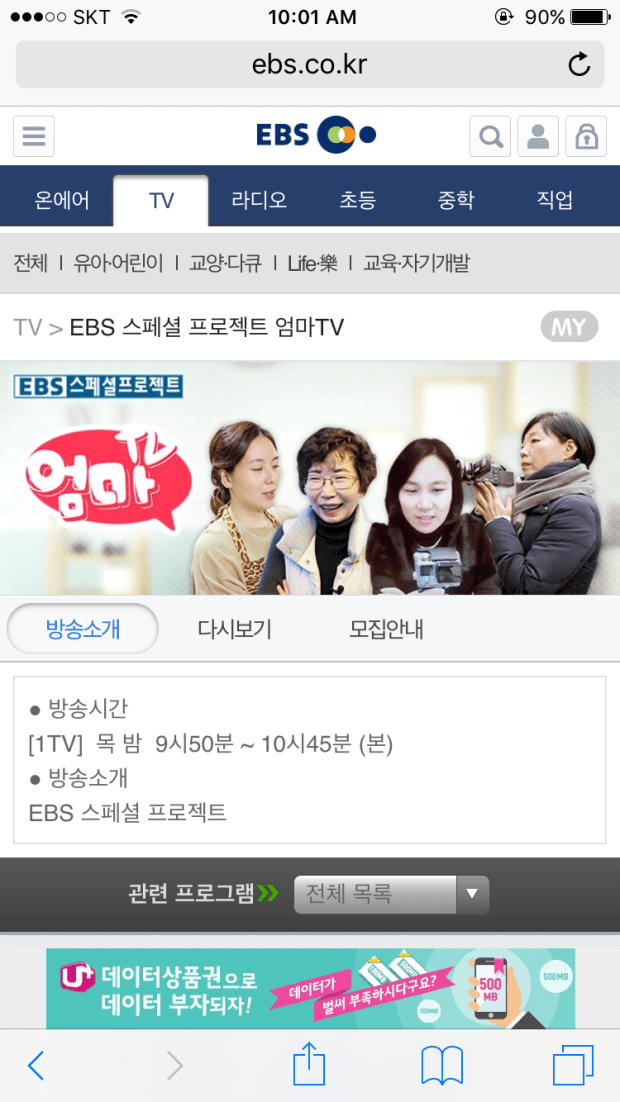
엄마 티비, Umma (mom) TV

image.png

I just found a TV program by EBS that is called ‘Umma TV’ (mom TV) last night. Moms become directors so they produce a documentary about certain topics. I have to watch each episode first then I will discuss about this tv program asap. I am so glad that moms actually ‘produce’ documentaries with their own views. Yes this is very good movement for our moms and ajummas!