Another new project for Ajummas

IMG_6226

I tried to make Ajumma dolls before I made a Digital Ppal-let-ter video. Now, I’m thinking to do something very exciting and fun project for Ajummas. I can’t say the clear idea for this new project yet but one thing I can say for now is that this project will be enjoyable for everyone (not too serious or academic project). Through this blog, I will keep posting articles about ajummas (from academic research to miscellaneous stories) and at the same time I will upload the new project for ajummas as well.

Ajummas!

image.png

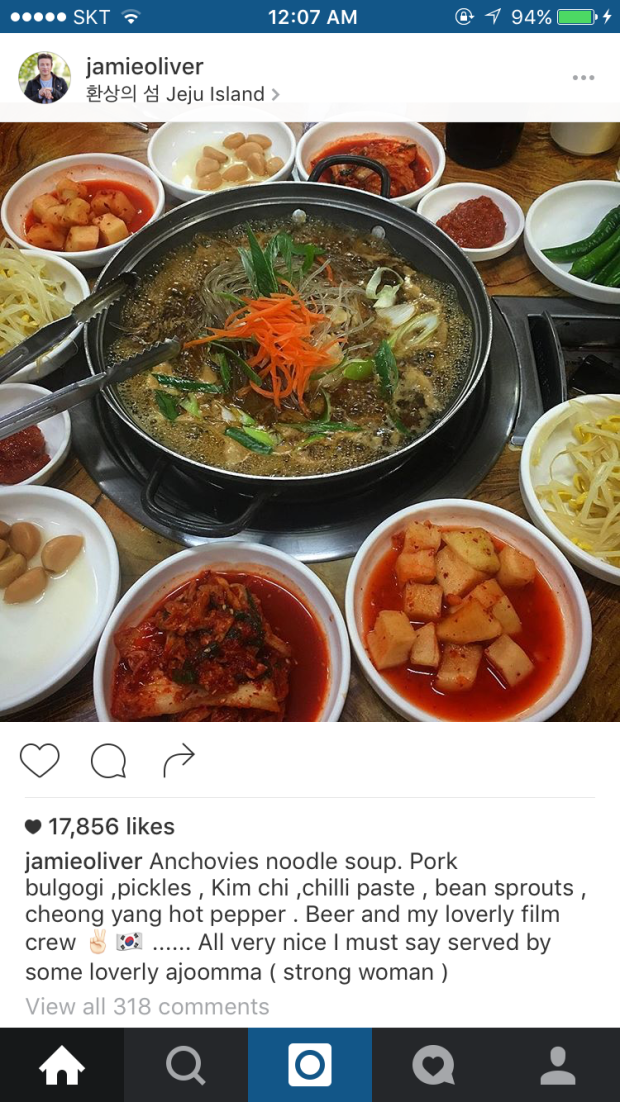
Image was captured from Jamie Oliver’s Instagram

As you can see the captured photo above, Jamie Oliver mentioned about Ajumma (he typed as ajoomma). Yes, ajummas are strong  and at the same time lovely women. I’m so glad to read his comment about ajumma. They are part of our culture, I think.

Ajumma, how much is it?

Today, I went out with my parents to have lunch together. We had Chinese food in Myeong-dong and headed to Dongdaemun area to visit Gwangjang Market. Gwangjang Market is famous with variety of street foods and other stuff such as Hanbok (Korean traditional dress). And this market is also well known to travellers who visit Korea.

We also love visiting Gwangjang Market just for browsing. When we visited to this market today, my mum wanted to buy a blanket for spring. Yes, they sell blankets in reasonable price but the quality is very good. Anyway, when my mum went into one shop to browse blankets, me and my dad were waiting for her outside because the shop was very tiny to fit ourselves into.

At that time, five foreigners were looking at pillows and blankets of that shop. They’ve asked price for those items to the shop owner.

“Ajumma! How much is it?”

I smiled when I heard that word, Ajumma! Then, the ajumma came out of the shop and told them (almost yelled) the price in Korean. They couldn’t understand and the ajumma tried to explain the price with her fingers. So I just translated the price from Korean to English. Both the ajumma and those travellers became happy because the ajumma could sell the blanket and they could buy the blanket.

The point what I want to tell you is how the word Ajumma is getting familiar with people even though they are foreigners! Ajumma is our culture and this word presents the familirity and warmness of middle-aged Korean women I think and I saw. I went to one of the conference in Korean last week and I got attacked from some of audiences about using the word Ajumma. They mentioned that using the word of ajumma could be lead disdaining the Korean middle-aged women. (I will write more about this issue for next blog post, there are so many things that I really want to write about).

Anyway, ajummas are our culture I no longer thinking the word ajummas are the one that disdains the middle-aged women in Korea.

Digital Ppal-let-ter is now on YouTube as well!

Now you can watch this Digital Ppal-let-ter video on YouTube as well.

I just uploaded.Please enjoy watching Digital Ppal-let-ter!

디지털 빨래터 비디오를 이제 유툽에서도 볼 수 있습니다!

많이 봐주시고 더 많이 즐겨주세요!

Inspiration for Digital Ppal-let-ter Project

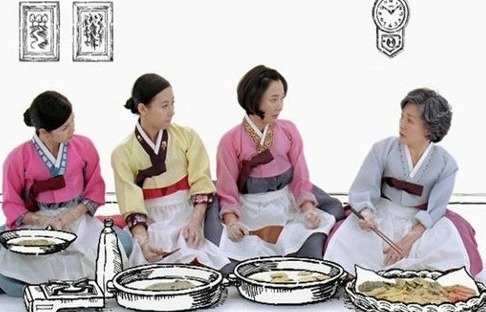
Digital Ppal-let-ter is a new digital space which illustrates the interactively remediated space and time of both the wash place before the 1960s and Kakao Talk’s group chat room in the 21st century. Digital Ppal-let-ter will encourage audiences to consider the existence of  middle-aged and married women’s communal space that has formed and has been developed by those women from the non-digital (pre-smartphone) era before the 1960s to the digital (smartphone) era in 2015.

Digital Ppal-let-ter will take both analogue and digital technology to present a new digital space where ajummas communicate with each other. It is an imaginary space located in a time of coexistence between the face-to-face communication era and the mobile digital communication era. In other words, Digital Ppal-let-ter is located in an in-between space and time of actuality and digitality. For this reason, the creative project of Digital Ppal-let-ter is a converged metaphorical space of communication that transcends time and space among middle-aged and married women in Korea.

dpt_inspiration_image_blog.001.jpeg

I tried to do an installation art but I’ve changed to produce a video instead.


Digital Ppal-let-ter is an imaginary space that does not exist in the real world. However, it asks audiences to think about how communication amongst middle-aged and married women in Korea has always existed even though various communication tools and the locations of communal spaces have changed over time. Digital Ppal-let-ter aims to emphasise that specific features of communication have developed subliminally through continuous interactive communicating among middle-aged and married women in Korea.

Middle-aged and married women used to be considered a peripheral group by the digital technology industry in Korea whereas younger female groups were given attention. However, it is time to look intensively at how these middle-aged and married women, ajummas, communicate with each other in the pre-digital communication era before the 1960s to the digital communication era of today. In general, ajummas used to be considered a group of ordinary middle-aged and married women but they are not ordinary when people look at them with affection. The group ajummas now attract respectful attention from the digital technology industry and Korean society. The creative project Digital Ppal-let-ter presents how the ordinary but not ordinary ajummas build their own communal spaces and have their own ways of communicating which have developed in line with technological developments in communication

Digital Ppal-let-ter is based on Korean sentiment but the convergence of digital and analogue technology in the project is universally relatable. To create this complicated but poetic and new experimental media art project that includes interdisciplinary academic research and mixed media art forms.

혹시 아줌마 인가요?

IMG_7186.JPG

이 연구를 시작하고 난 후로, 사람들은 나에게 같은 질문을 수없이 많이 했다. “저기 혹시 아줌마인가요?”

사실 나는 내 블로그의 주소를 트위터, 페이스북 그리고 인스타그램의 내 프로필란에 올려놓았다. 블로그가 활성화 되기를 바라는 마음에서 올려놓았는데, 그것 때문에 나를 팔로우 하는 사람들 (몇 되지는 않지만)이 나에게 쪽지로 내가 아줌마인지 아닌지 물어본다. 심지어 내 친구는 아줌마 라는 단어가 들어간 블로그 주소를 지우는게 어떠냐 라고 묻기도 했었다.

아줌마 라는 단어가 들어간 블로그 주소를 올려놓고 고민이 없었다면 거짓이다. 내가 뭐 꽃다운 이팔청춘도 아니고 말그대로 꺾인 30대의 나이를 살고 있는, 소위 사람들이 말하는 노처녀인데, 아줌마라는 단어가 들어간 블로그 주소를 다른 사람들이 보면 나를 그 아줌마 당사자로 착각하는 사람들이 분명히 그것도 꽤 있을거라는건 뭐 당연한 일이다. 그래서, 그것 때문에 아줌마블로그 주소를 올려야 하나 고민을 했었다. 몇 번을 프로필란에서 지우고 다시 집어넣고를 반복했던지…

IMG_6880

결국엔 내 sms 프로필에는 아줌마블로그 주소가 떡하니 자리를 잡고 있다. 아줌마로 생각하면 뭐 어떠한가 라는 생각이 들었기도 하고 또 아줌마에 대해서 연구한다는 사람이 이래서야 되겠나 싶기도 한 마음 반반 이었다. 전에도 말했지만 박사 시작하기 전에 리서치 프로포절 준비를 할때 아줌마 폴더를 내 노트북 배경화면에 만들었었는데, 내 수업을 듣던 한 학생이 프로젝터를 통해 보여진 내 노트북의 배경화면을 보고는 수업이 끝나고 나에게 조용히 와서는 ‘아..아줌마이신지 몰랐어요. 결혼 안 하신 줄 알았는데’ 라고 너무 조심스럽게 물어본 기억이 있다.

‘아줌마인지 몰랐어요…’라고 말하는데 그 학생은 뭔가 속았다 하는 눈빛으로 날 쳐다보고 있었었다. ‘아 아줌마였었어?’ 라는 느낌 말이다. 물론 아줌마 폴더의 생성배경에 대한 설명을 그 학생에게 해줬고 나는 다행히 (?) 아줌마가 아닌 것으로 다시 되었지만, 뭔가 그런 일을 겪으면서 ‘아 아줌마가 된다는 것 혹은 아줌마로 산다는 것’이 이런 느낌이겠구나 싶었다. 아줌마라고 불리는 것은 아줌마처럼 보인다는 것이고 또한 우리나라에서는 아줌마같은 여자는 뭔가 여성도 아니고 남성도 아닌 그저 ‘아줌마’가 된다는 느낌이 바로 이런건가보다 싶었다.

Screen Shot 2016-03-10 at 5.41.41 PM.png

지금 이 순간 글을 쓰러 들어온 까페로 걸어오는 순간에도 수많은 아줌마를 지나쳤고 만났다. 아줌마가 되고 싶진 않지만 나는 언젠가 아줌마가 될것이다. 내 친구들도 또 대한민국을 사는 우리 모든 여성들은 reserved-to-be 아줌마인 셈이다. 아줌마가 되는일은 두려운 일도 그리고 끔찍하게 싫은 일도 아닌데 우리는 아줌마가 되는것도, 아줌마처럼 보이는 것도 그리고 아줌마들을 반기지 않는다. 아줌마이기 때문에 싫은것 보다 아줌마라서 좋은것들을 찾아보고 싶다.

대한민국의 모든 아줌마들 화이팅!


Are you an ajumma?

IMG_7186.JPG

Well,  since I’ve started this research project people keep asking me a same question so many times. They asked me, “are you an ajumma?”

I put the URL of this blog (smart-ajumma.com) on my Twitter profile, Facebook and Instagram. People who follow me on these various SNS, they kept asking me a question that “Are you an ajumma??? I didn’t know that!!!”. Then I had to repeat the same answer that defend against this question. I replied or explained, “No! I’m not an ajumma, I’m just doing my research about ajummas and their use of smartphones in everyday practices…blah blah blah.”

I know being an ajumma is not a problem at all, but whenever people ask me a question like that, I always answer with a serious face to protect myself. (protect I mean!)

There’s one thing. I’ve already mentioned in one of blog entries that I uploaded previously, people are curious about the reason why I’m doing research about ajummas even though I’m not an ajumma yet! People think it is very strange when non-ajumma researcher researches about ajummas. Also they expect that research about ajummas is not an attract thing at all. For these many reasons, people keep asking the same question to me for many times and I had to explain to them whenever they asked questions.

IMG_6880

I’m still enjoying my research about ajummas and I will be doing this research continuously. Ajummas are attractive people in Korea and there are voluminous research topics to study about ajummas. Through this blog, I will keep doing my research about ajummas and their use of new media.

Screen Shot 2016-03-10 at 5.41.41 PM.png

Fighting ajummas!!


카카오톡 vs 빨래터

설문조사와 포커스 그룹 인터뷰를 다 마친 후에, 갑자기 내 머리를 스쳐 지나간 생각이 있었다. 카카오톡은 물론 모두를 위한 대한민국의 가장 보편적인 모바일 커뮤니케이션 앱이 되었지만, 카카오톡이 여성들의 소통공간으로 해석될 수도 있겠다 싶었다. 이 얘기는 ‘카카오톡은 여성전용 모바일 커뮤니케이션 앱’이라는 말이 아니고, 카카오톡이 여성들끼리 소통할 수 있는 모바일공간을 마련해주는 계기가 되었다 라고 해석하는게 맞을 것이다. 특히 이 연구에 참여해 주었던 응답자인 아줌마들이 거의 매일 사용하고 있는 카카오톡의 단톡방 (단체 그룹채팅 방)의 경우가 이러한 생각을 잘 뒷받침 해주고 있다. 카톡의 단톡방은 각각의 아줌마들이, 그들의 모임 성격에 따라서 각기 다른 단톡방을 개설한 뒤에 그 안에서 아줌마들끼리의 수다를 떨 수 있는 공간이 되었다. 단순한 정보공유를 위한 곳이 아니라, 아줌마들의 단톡방은 뭔가 예전의 우리네 사랑방과 비슷하게 닮아있다. 혹은 아줌마들의 오프라인 모임의 연장선이라고도 볼 수 있겠다. 즉, 아줌마들이 사용하고 있는 카톡의 단톡방은 시간과 장소에 구애받지 않고 아줌마들의 수다를 계속 이어나갈 수 있게 해주는 그런 아줌마들만의 소통공간이 되어준 것이다.

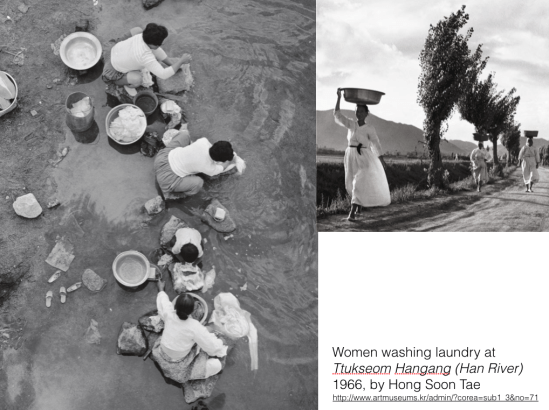
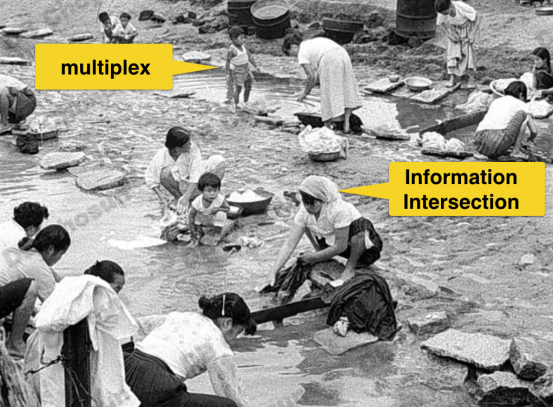
이러한 이유로 나는 카톡의 단톡방이 여성들, 특히 아줌마들의 소통공간이라고 보게 되었고, 아줌마들만의 소통공간에 대한 자료조사를 시작하게 되었다. 여성들, 기혼 여성들, 아줌마들의 소통공간에 대해서 찾아보면 사실 종류는 다양하다. 목욕탕, 미용실, 찜질방, 까페, 백화점 문화센터 등등. 하지만 뭔가 우리나라만의 특색이 나타나있는 한국적인 여성의 소통공간을 찾고 싶었고, 그렇게해서 찾게 된 것이 바로 빨래터이다. 이 쯤에서 또 누군가는 질문할 것이다. ‘빨래터는 우리나라에만 있는게 아닙니다!’ 그럼요 빨래터는 어느 나라에나 있어왔고 지금도 여전히 사용하고 있는 곳들이 있다. 하지만 한국의 빨래터는 여성소통공간을 매우 잘 보여주고 있다고 생각한다. 다른나라의 경우를 살펴보면, 남자들도 빨래터에서 빨래를 했고 (노예제도가 있던 시절의 유럽이나 미국등지) 그리고 프랑스에서는 아주 먼 옛날에 여자가 가서 빨래를 했지만 ‘소통공간’의 개념보다는 정말 ‘빨래만 하고 오는 곳’의 빨래터의 성격이 강했다. 하지만 우리나라의 빨래터는 어떠한가? 과연 빨래만 하다가 오는 곳인가? 아니다, 전혀 아니다. 빨래터는 ‘빨래도 하고 동시에 이웃집의 다른 아줌마들을 만나서 시집살이의 스트레스도 풀고 내 자식 자랑도 하고 옆집 경조사 이야기도 나누고 또 같이 간 우리 애들이 다른 집 애들이랑 신나게 놀기도 하는’ 그런 멀티플렉스의 느낌이 폴폴 나는 그런 복합 소통 공간이었다.

Screen Shot 2016-02-19 at 12.03.16 PM

Screen Shot 2016-02-19 at 12.03.05 PM

그리고 신기하게도, 남성들의 출입은 거의 없었다. ‘남성 출입 금지’라고 법이나 규칙이 있었던 건 아니지만, 아무래도 가부장적인 사회였던 우리나라에서 감히 남자가 빨래를 하는 일은 거의 없었던 것이다. (지금은 말도 안되는 이야기, 감히 남자가 빨래를 안하다니!) 따라서 자연스럽게 빨래터에는 동네의 아녀자들이 모이는 곳이 되었고, 그 곳에서 빨래도 하면서 그들끼리의 이야기가 오고 갔던 바로 ‘여성 전용 소통공간’이 되었던 것이다.

Screen Shot 2016-02-19 at 12.03.27 PM

특별한 약속을 하지 않아도, 대부분 빨래는 정기적으로 해야하는 것이기 때문에 (이틀에 한 번 이라던가 일주일에 한 번 이라던가) 각각의 동네 빨래터에는 머리에 빨랫감을 한 가득 이고 여자들이 모여들었고, 그렇게 약속을 정하지 않아도 우연히 이웃집 여자를 만나 도란도란 이야기를 나눠가며 함께 빨래를 했던 것이다. 그런 ‘여성의 소통공간’이 바로 빨래터 였다.

Kakao Talk vs Wash place

After survey and Focus group interview, I suddenly realised that Kakao Talk can be a women’s communal space in these days. Of course Kakao Talk is not designed for only women and many people use it every day regardless of the age and genders. However, their group chat rooms, the chat rooms for ajummas where they’ve created and they’re involved in. That can be a women’s communal place, I reckon. So I started to find a women’s communal spaces. Hair shop, Sauna, etc. But I want to find a ‘Korean’ women’s communal spaces. For this reason, I found the wash place.

Screen Shot 2016-02-19 at 12.03.16 PM


Screen Shot 2016-02-19 at 12.03.05 PM

Of course, every country has or had the wash place. But, Korean wash place was a bit different from any others’. We don’t have to go to the wash place to do laundry today due to almost every house have technologically developed and upgraded washing machines. Or there are coin laundry shops nearby our houses. Whereas, back in 1960s, going to the wash place and doing the laundry is must do thing for women in Korea. And this wash place was like a multiplex where women not only do their laundry but also meeting others and even taking bathes.

Screen Shot 2016-02-19 at 12.03.27 PM

They don’t make an appointment for meetings, but they expected to meet someone whoever they go to the wash place and of course they could meet someone in that place. As a social place, women in Korea they could share useful information or sometimes just mundane gossips about their mother-in-law, etc.

Thus, wash place for women in Korea during 1960s was not a place only for doing their laundry. It is more like a communal space at that time. Wash place during 1960s in Korea was considered as a ‘women-only communal space’ even though there was no law and regulations that prohibited men to come in.

카카오톡과 아줌마 (2)

‘전화 좀 받아!’ 친구들의 원성이 잦다. 사실 나는 전화 받기와 전화 걸기가 상당히 불편하다. 전화를 받고 거는 일이 뭐가 어려운 일이겠느냐 만은, 나에게 전화를 받고 거는 일은 어려운 일은 전혀 아니고 단지 귀찮고 불편한 일이 되어버린 지 꽤 오래다. 외국에 혼자 나가 있으면서 전화를 할 일이 줄어 들었고, 동시에 전화가 올 일도 거의 없었다. 내가 필요한 곳에 연락을 해야하거나 혹은 간단한 sms를 주고 받아야 하는 경우에만 쓰여진 휴대전화, 모바일이라고 하는 그것을 통해 전화를 걸고 받는 일이 어색해져 버렸다.

매번 같은 이유로 전화를 못받았다고 해 봐도 사실 듣는 사람들에게는 구차한 변명으로 들릴지도 모르겠다. 하지만 정말로 나는 내 휴대전화와 늘 같이 있지도 않고, 책상에 두거나 가방안에 놔두거나 하고 전화가 오는것에 별로 관심이 없다. (많이 오지도 않고) 그리고 또 한 가지 이유는, 메시지로 이야기하는게 더 편하다. 물론 글로 전달되는 메시지는 때때로 오해를 불러올 소지가 있기도 하지만, 메시지를 통해 전하는 내용이 객관적으로 전달 될 수도 있다는 생각이 더 크다, 적어도 나에겐. 다른 일로 기분이 쳐져 있거나 혹은 반대로 너무 기분이 좋아서 미쳐버릴때 전화가 오면 그러한 감정이 고스란히 전해지게 되는데, 그러한 ‘날 감정’이 전해지는게 나는 가끔 불편하다.

그리고 또한 메시지는 다른 사람들과 있을때나 내가 무슨 일을 할때 분위기와 흐름을 끊지 않고 조용히 메시지만 보내고 또 다시 그 분위기 속으로 들어올 수가 있지만, 전화로 이야기를 하게 되면 분위기와 흐름이 끊기게 되더라. (이렇게 이야기 하고 보니 내가 무슨 ‘전화 거부녀’ 같은 느낌이 들지만. 뭐 아무튼, 포인트는 나는 전화보다는 메시지로 이야기하는게 (전과 비교 했을 때) 더 편하다는 이야기이다. 그렇다고 해서 모든 전화가 불편하다는 뜻은 아니고, 반드시 필요한 전화 즉 전화로 이야기를 지금 당장 해야하는 경우에는 전화를 해도 전혀 불편하지 않다.

전화 혹은 메시지로 소통하는것에 대한 내 개인적인 의견이 길어졌다. 내가 이 이야기를 하는 이유는 바로 카톡에 관한 이야기를 하기 위해서이다. 카톡! 나는 카톡이 참 편하고 좋다. 카톡이 있기 전에 우리는 문자 (sms)로 ‘문자소통’을 했었다. 카톡을 사용하고 나서 그 편리함에, 특히 나같이 ‘문자성애자’같은 사람들에게는 정말 대단한 앱이 나타났구나 라고 생각이 들었다. 해외에서 그것도 실시간으로 한국에 있는 내 친구와 가족들에게 문자메시지를 보낼 수 있다니!! 게다가 공짜!

이 카톡은 날로 발전하더니 이제는 보이스톡 비디오톡등의 어마어마한 서비스가 제공되고 있다. 내가 매주 가던 중국아줌마가 하는 국제전화카드 파는 곳에는 몇 년 전부터 전혀 갈 일이 없게 되었고, 전화를 들고 전화카드 번호를 넣고 다시 한국의 전화번호를 눌러야 하는 번거로움도 사라진 지 오래. 카톡에서 우리엄마를 선택해서 보이스톡 버튼을 누르면 성당에서 아침미사를 마치고 나오는 우리엄마, 남대문 시장 도깨비시장에서 구경하고 있는 우리엄마, 친구들과 당구치러 가신 우리아빠를 바로 만나 뵐 수 있다. 아이신기하고신기한이세상!


참고이미지-1-카카오톡-4.0-스플래시-이미지카톡은 이제 더 이상 ‘신기하고 편리한 우와 대단한 모바일커뮤니케이션 앱’이 아니다. 카톡은 자연스럽게 우리의 일상생활 속의 소통 도구로 자리 잡은 지 이미 오래고, ‘카톡하자’는 이제 ‘이메일하자’ 혹은 ‘전화하자’보다 더 자연스러운 것이 되어버렸다. 카카오톡에서 아까 얘기했던 그것들을 이야기 해 볼까? 라고 길게 이야기할 필요도 없다. 그저 ‘카톡해’라고 하면 모든 뜻이 다 들어가 있으니까.

한국사람들은 축약형 단어를 굉장히 좋아한다. 카카오톡이 사실 긴 단어도 아닌데 카톡으로 줄였고, 그 외에 요즘 ‘청소년’들이 많이 쓰는 단어들만 봐도 이러한 축약형이 어마어마 하다. (가끔 아니 꽤 자주, 그들이 사용하는 축약형 단어가 뭔지 몰라서 인터넷으로 검색을 해봐야 하기도 한다…) 물론 이런 축약형 단어가 우리나라에만 있는건 아니고 호주에도 있고 다른 나라에도 많이 있다. 아마도 단시간에 짧고 굵게 이야기해야하는 인터넷이나 모바일 커뮤니케이션의 발달로 인해 그렇게 된 것 같기도 하고. (정확한 레퍼런스를 찾지 않아서 확신할 수는 없으나 유추는 되는)

아무튼, 뭐 말도 안되는 축약형 단어는 나는 쓰고 싶지도 않고 이해도 안되는 경우가 많지만 예를 들어 ‘카톡하자’ 등과 같은 축약형은 너무 재미있고 매우 한국적이라서 좋다. 셀프카메라도 셀카라고 하지 않았는가? 물론 지금은 Selfie 라고 하지만 나는 아직도 셀카라는 단어가 더 정감가고 좋다. (셀카 Sel-Ca에 관한 논문도 있다, 한국인들의 셀카문화에 관한 재미있는 논문) 이렇듯 카톡은 카카오톡을 단순히 입에 담기 쉽게 줄인 단어이지만, 카톡하자! 이 짧은 문장엔 한국사람들의 현재의 모바일 커뮤니케이션의 행태에 대한 모든것들이 들어있다. 그래서 카톡, 카톡하자 라고 하는 이러한 우리만의 문화가 재미있고 색다르게 다가오는 것이다.

스마트폰이 있기 이전의 시대, 즉 프리 스마트폰시대 (pre-smartphone era)에는 직접적인 소통방법이 거의 대부분이었다. 모바일폰이 있었어도 우리는 목소리를 통해 이야기했고, 문자소통은 이메일과 문자 (sms) 뿐이었다. 하지만 많은것이 바뀌고 있다. 지금도 계속해서. 우리는 이제 카톡을 하고 카톡을 통해 더 다양한 것을 꿈꾼다. 카톡에 관한 논란은 아직도 계속 되고 있긴 하지만, 한 가지 분명한 건 지금 우리는 카톡을 통해  소통하고 있다는 것이다.

다음에는 아줌마들이 카톡을 어떻게 사용하고 있는지에 대해서 이야기 해 보겠습니다.


카카오톡과 아줌마 (1)

카카오톡 알아요? 라고 한국사람에게 물어본다면 날 이상한 눈으로 쳐다볼 것이다. 카카오톡은 아마도 거의 (전부는 아니겠지만) 모든 한국사람들은, 적어도 스마트폰을 쓰고 있는 한국인이라면 한번쯤은 사용해 본 어플리케이션이다. 카카오톡에 대해서 설명을 아주 간단하게 하자면, 카카오톡은 스마트폰을 이용하여 실시간 모바일 커뮤니케이션을 가능하게 해주는 매우 편리한 모바일 채팅 앱이다. 물론 모바일 채팅 뿐만이 아니라 다양한 서비스를 제공해주고 있는데, 예를 들어 카카오택시, 카카오쇼핑, 카카오페이 게임등이 있다. 카카오 게임중에 가장 유명한 건 바로 애니팡! 까페에 앉아있으면 애니팡의 동물 터지는 소리 (라고 하니 너무 잔인하게 들리지만)가 이 테이블 저 테이블에서 들렸던 적이 있었을 정도로 애니팡 열풍시대가 있었었다. 지금은 (여전히 우리 엄마와 엄마 친구분들은 좋아하시지만) 인기가 예전같지 않지만 카카오톡은 모바일 커뮤니케이션을 위한 다양한 서비스를 계속해서 개발 중이다. 호주의 친구들에게 카톡에 대해서 설명을 할 때 예로 드는 것이 바로, WhatsApp ! 이 왓츠앱은 나도 한 때 사용했었는데 뭔가 카톡보다는 디자인도 좀 심심하고 서비스도 카카오톡만큼 다양하지 못했다. 정말 ‘모바일채팅’만을 위한 앱이었었던 기억이 있는데 지금은 좀 달라졌다고도 하고…

File 11-02-2016, 1 06 37 PM

File 11-02-2016, 1 06 56 PM카카오샵에서는 다양한 브랜드와 카테고리의 기프티콘을 살 수 있다.

카카오샵이 생기고 나서 친구가 종종 기프티콘을 보내줬었다. 바나나우유, 스타벅스 커피등 내가 좋아하는 것들을 카톡을 통해 보내주면 나는 그걸 바꿔먹는 재미에 한 때 빠져있었었다. 호주에 다시 나가야 할 때는 심카드를 바꿔껴야 했고, 그에 따라서 카톡 서비스도 ‘해외전용’ 화면으로 바뀐다. 기프티샵 같은건 없다…

아무튼 기프티콘은 이제 매우 자연스러운 문화로 자리잡았고, 사촌오빠의 아들의 예 (초딩5)를 들면 거의 모든 물건이나 선물을 티머니 혹은 기프티콘으로 친구들끼리 주고받고 하더라. 매우 뉴미디어스러운 뉴테크놀로지컬한 제네레이션인것이다. 어렸을때 엄마 백원만 하던 때와는 판이한 모바일세상에 살고 있는 아이들!

기프티콘에 대해서 이야기 하자면 끝이 없으나 오늘은 일단 여기까지 이야기 하고, 다음에 기프티콘에 대해서만 블로깅을 해도 재밌을것 같다. 카카오톡의 또 다른 장점은 바로 ‘그룹 채팅룸’이다. 사실 이 연구는 아줌마에 관한 것이므로 아줌마들의 스마트폰 사용에 대한 이야기를 풀어나가야 한다. 카카오톡의 사용도 역시 아줌마들이 어떻게 사용하고 있는지에 대해서 이야기를 해 보려고 시작한 포스팅. 아줌마에 대한 특히 아줌마들의 스마트폰 사용에 관한 데이타가 너무 부족해서 나는 내가 서베이와 포커스그룹 인터뷰를 통해 데이타를 수집했다. 리서치의 내용 중에서 가장 눈에 띄는건 아줌마들의 카카오톡 사용에 관한 것인데, 그 중에서도 그룹 채팅룸 안에서의 아줌마들끼리의 수다는 아줌마들이 스마트폰을 사용하는 가장 큰 이유 중의 하나였다. 즉 카카오톡 하려고 스마트폰을 샀어요! 라고 대답하신 분들도 꽤 되었다. 우리엄마도 포함.

Screen Shot 2016-02-11 at 1.25.49 PM.png

김 ㅇ: 

카카오톡 그룹 채팅룸은 친구들과의 모임을 준비하는데 매우 편리해요.

한 ㅈ:

그룹 채팅룸을 만들고 전달할 메시지를 보내면 그 방에 있는 모든 사람들이 다 볼 수 있어요! 너무 간편하고 쉬워요!

카카오톡 그룹 채팅룸 사용에 관한 포커스 그룹 인터뷰 내용 중에서

아줌마들은 모임이 많다. 계모임, 종교 모임, 동네 모임, 자녀들의 친구 엄마 모임, 찜질방 모임, 다 나열 할 수 없을 정도로 어마어마하게 바쁜 아줌마들. 아줌마들이 이 수많은 모임을 관리하고 이어나가기 위해서는 해야 할 일이 너무 많았다. 총무아줌마가 다음 모임을 위해 일일이 전화를 걸어서 시간을 정하고 장소를 정하면 또 어떤 아줌마는 갑자기 연락을 해와서 그날은 안되니 다른 날로 다시 변경하자고 한다. 그러면 또 다시 그 변경사항에 관한 전화를 돌리거나 문자를 보냈어야 했는데!!! (아 이러한 과정을 쓰는것 또한 매우 복잡하다)

카카오톡의 그룹채팅룸이 이러한 번거로움을 한번에 없애 주었다. 모임별로 각각 다른 그룹 채팅룸을 개설하고, 모임에 관한 날짜나 장소등에 관해 서로의 의견을 채팅룸에 올려 놓으면 각자 가능한 날짜와 시간에 대해서 또 다시 채팅룸에 올려놓고. 그것을 토대로 모두가 가능한 시간과 날짜를 잡을 수 있게 되는 것이다. 실시간으로 채팅에 참여하지 않더라도, 나중에 채팅룸에서 오고갔던 내용을 읽어 볼 수 있음에 아줌마들은 굳이 ‘다음 모임 결정’을 위한 복잡한 커뮤니케이션에 자신의 시간을 할애하지 않아도 되는 것이다. 또한 우리의 총무 아줌마는 전화를 일일이 걸어서 이렇네 저렇네~ 모임에 관한 내용을 똑같이 반복 그리고 번복할 필요가 없게 되는 것이다.

매 달 초가 되면 우리엄마의 카톡은 끊임없이 울려댄다. 단체 톡방에서 울리는 다음 모임에 관한 내용들을 서로 다른 곳에 살고 있는 아줌마들이 쉴 새 없이 올리기 때문이다. 처음에는 카톡 사용법이 서툴렀던 우리엄마도 이제는 단톡방에 들어가서 수다도 떨고, 사진도 보내고 받고, 또 이모티콘도 보내신다. 아줌마들의 이모티콘이 다양하다며 얼마전에는 귀여운 이모티콘 하나를 더 사셨다. 귀여운 우리엄마 그리고 귀여운 우리 아줌마들 화이팅!

Holiday Syndrome?

Time flies and it’s already February in 2016! Of course we had new year holidays at the beginning of this year, January. However, we (Koreans) have another new year on this coming Monday (8th Feb 2016). From yesterday we’re having a new year holiday until mid of next week. Most people (non-Koreans) think this late new year is called ‘Chinese New Year’. It is so true but we say Korean new year or just Lunar new year. I love holiday (who doesn’t?) especially Korean holidays because I can meet my cousins, aunties, uncles etc. Sadly, my grandma had passed away two years ago so I can’t see her lovely smile any more but still I love to meet my relatives.

Whenever I say I love Korean holidays to my friends especially married ones, all of them told me, “if you are married, you couldn’t love Korean holidays any more, for sure!”. I know what they mean because this is very controversial topic for every Korean woman (especially married women). It is ‘Holiday Syndrome’!

File 6-02-2016, 4 55 21 PM.jpeg

Ajummas in the supermarket to do grocery shopping for Korean New Year 2016

Traditionally, we have a memorial service for ancestors (e.g. great-great-grandparents, great-grandparents, grandparents) on every Korean holiday such as Korean new year, Chuseok (Korean Thanksgiving day) etc. On these holidays, we have to prepare food for ancestral rites table and at the same time for ourselves (family members). This is very good Korean tradition to admire our ancestors on every Korean holiday and relatives could be able to reunite together regularly through enjoying these Korean holidays. However, there is a big problem.

As I mentioned before in my blog post about Women in Korea (2) Before IMF on 11th Jan 2016, Korean society was severe patriarchal society from 1980s to 1990s. Women (mothers, wives, ajummas) had to sacrifice their lives to support husbands and children. This happened in the past and now the society has been changed a lot. Women are also working outside and they push themselves hardly to build their careers. They’re not staying at home to support their family by sacrificing their lives any more. I don’t mean that sacrificing their lives to support husbands and children like our mothers in the past were worthless. I mean the women in today have more opportunities to build their careers than 1980s so they can’t just be a stay-at-home mother rather they should work outside for their careers.

However, the problem is that the social structure and people’s mind haven’t changed a lot. It is like we can do real-time free video chatting through our smartphones  but people still use only voice calling with their high-tech smartphones. Society forces women to build their careers and get higher education but this society doesn’t allow women to be free from their family affairs that the society thinks ‘women’s full time job’. This can be a jump of logic but I think Korea is still very much patriarchal society even though there are so many opportunities for women, especially married women to work outside to build their careers compared with before in 1980s.

Holiday syndrome was also came from this patriarchal social structure, I think. All the daughters-in-law must go to their mothers-in-law’ houses to prepare food for their ancestors on every Korean holiday. And the problem is that many of husbands (or sons of mother-in-law, father-in-law or any ‘male’ human beings) don’t support, help or assist their wives at all. They think preparation of food for their ancestors are entirely ‘women’s duty’ for a very long time so these husbands never try to help their wives. Also mother-in-law don’t want their sons to work in the kitchen. This is also related to the Korean concept of predominance of man over woman. For this reason, there was a saying that ‘male must not come in the kitchen’. 

1.jpg

daughters in law with a mother in law prepare food
image from <http://blog.daum.net/youngho7995/99>

I understand how Korean society had the feudalistic convention of regarding men as superior to women in the past. But the past is past and now is now. We have to change our wrong feudalistic thinking about men and women. Korean holidays are more than worth to enjoy because we can learn our histories, traditions and even ‘Jeong’ with our family and relatives. We are also allowed to think about our ancestors and our roots as well. If our mothers and daughter in law can’t enjoy these holidays, preparing food for other family members can’t be women’s duty any more. It become just women’s stressful work.

110206_18_2.jpg

image from <http://news.kmib.co.kr>

The news reports about holiday syndrome of married women can be seen on TV or in the Internet every year. Our ajummas are suffering from Korean holiday syndrome for many years. The resolution is very simple. Holidays are for everyone. Please do prepare together and enjoy together.

‘Male must come in the kitchen. You’re more than welcome’

297223_8.jpg

image from Pocket Monster, <http://bbs2.ruliweb.daum.net/gaia/do/ruliweb/family/230/read?bbsId=G005&articleId=7994370&itemId=75>