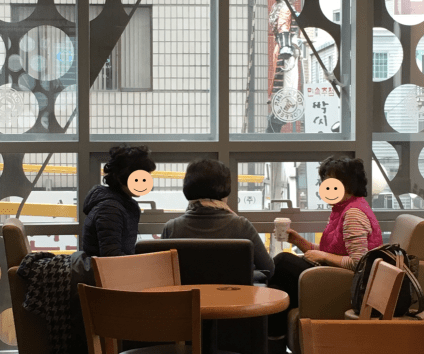
아줌마가 뭔 죄?

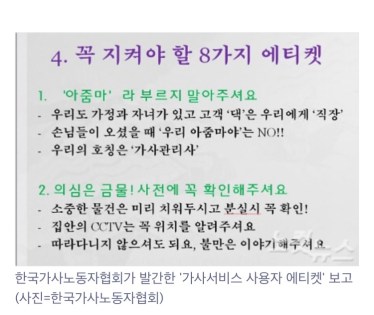
얼마전에 인터넷 뉴스에서 한 기사를 접했다. 가사도우미를 하시는 분들의 고충에 대한 기사였는데, 그들이 일하는 곳의 고용인 (소위 말하는 사모님)들의 갑질횡포에 대한 내용이었다. 예를 들어, 소변이 급해도 일이 끝날 때까지 화장실을 못가는것, 비싼 목걸이가 없어졌다며 의심을 받는 등의 정신적 그리고 육체적인 스트레스 속에서 일하는 그분들에 대한 이야기를 담은 기사였다.

소위 말하는 사모님들의 갑질횡포에 대해서는 내 일이 아님에도 불구하고 화가 치밀어 오르는게 사실이다. 그리고 21세기 신하녀라고 까지 불리우는 그 가사도우미분들이 얼마나 힘들게 일하는지에 대한 기사를 읽으면서 뭔가 법적으로 대책을 마련해야 하는게 옳다고 생각했다. 하지만 한가지 공감이 안되는 부분이 있었다.

FullSizeRender.jpg

‘아줌마’라 부르지 말아주셔요???  아줌마가 뭔 죄?

사실 아줌마라는 존재는 우리사회에서 아직도 그리고 앞으로도 당분간은 그리 ‘반가운’ 존재로 여겨지지 않고 있는게 사실이다. 아줌마라고 불려지는 것도 싫어하고, 아줌마라고 누군가를 부르면 뭔가 잘못된 호칭을 사용하고 있는 생각이 들기도 한다. 하지만 사실, 아줌마라는 단어 자체가 잘못 인식되어져 있기 때문이지, 아줌마라고 불려지는것이 과연 그 사람을 ‘하찮게’ 여기기 때문일까 라는 의문이 생겼다. 아줌마를 연구하고 있는 사람으로써, 왜 아줌마라는 존재가 이렇게까지 부정적으로 여겨지게 되었을까? 그리고 아줌마가 무슨 죄인가 라는 생각도 함께 하게 되었다.

‘아줌마’는 친근한 우리의 엄마와 옆집 이웃아줌마를 떠올리게 하는 단어이다. 물론 부르는 사람의 뉘앙스에 따라서 기분나쁘게 들리기도 하겠지만 아줌마라는 단어가 이렇게 까지 부정적으로 인식되어 지고 있고 또한 아줌마라는 단어가 이렇게 ‘아줌마들’에게 까지도 ‘천대’받고 있는 사실에 화가나기도 했다.

사람들의 아줌마에 대한 인식이 바뀌기 까지는 시간이 걸리겠지만, 그래도 사람들이 아줌마라는 단어를  부르고 떠올릴때마다 따뜻한 우리의 엄마 그리고 우리의 이웃아줌마들을 생각할 수 있게 되기를 바래본다.

나도 언젠가 곧 아줌마가 될테니깐.

우리의 아줌마들 모두 화이팅!

Digital (SNS) Swish of Skirt 2

About 3 months ago, I talked about Digital Swish of Skirt on this blog. As I mentioned in the previous blog, the swish of skirt means that mothers are getting overly involved in the schooling for their children, especially during 1980s in Korea. Due to the increase of using smartphones among mothers (ajummas), they are now getting involved in the schooling for their children through using their smartphones.

The use of smartphones brought a variety of advantages to our daily lives, this is so true. However, everything is a double-edged sword. Digital swish of skirt actually let mothers (ajummas) get involved in the schooling for their children easily. Through using various apps that are relevant to their children’s education, these mothers (ajummas) are able to control or help their children’s education systematically. They could share useful and voluminous information with each other instantaneously and directly.Without visiting every private educational institutes, these mothers (ajummas) can get information for their children’s educational needs. Besides, they are able to hear living opinions from other mothers who are in the same boat.

However, this SNS or Digital swish of skirt also have problems although there are a variety of advantages of doing Digital (or SNS) swish of skirt among mothers (ajummas). I don’t mean that these mothers are people who cause problems at all. They are too passionate about their children’s education (all of mothers are in the world) and the use of social media encourages them to get more involved into having the swish of skirt for their children because they are mothers and ajummas who love their children the most.

digital_swishofskirt.001

This Digital (SNS) swish of skirt tired teachers out. Mothers (ajummas) left comments or questions about schooling on teachers’ Instagram accounts. And you also know that, the advantages of using social media (well, it sometimes could be ‘disadvantages’) is ‘you can be always on’ and ‘you can contact someone instantaneously through using your smartphones’ without having barriers of time and space. YES, YOU CAN!

So, teachers are actually working for their students and parents for 24 hours a day and 7 days a week, like a convenience store. Of course they don’t have to answer or react to every single comment or question of mothers that are left on Instagrams, but you know…it is a delicate situation for teachers I reckon.

http://news.sbs.co.kr/news/endPage.do?news_id=N1003462876

(News article about SNS swish of skirt, SBS.co.kr)

Of course I don’t mean that I don’t understand these mothers (ajummas). I fully understand how these mothers are passionate about their children’s education and what they want to do for their children. However, I think that we should concern about the use of social media on our smartphones more carefully. The one of biggest advantage of using smartphones is that it allows us to have instantaneous mobile communication but it doesn’t mean that ‘you can get answers from her (or him) whenever you ask’. Especially, the teachers are working in the school for working hours and after hours are their own time to enjoy themselves. At the same time, social media such as Instagram is a personal space where people share their personal stuff with others, so I think mothers (ajummas) should respect the privacy of teachers in Instagram. If mothers (ajummas) have any questions about their children, they should use other ways to contact to teachers rather than leaving comments on photos of Instagram.

Also, I expect that a useful and helpful social media should be developed that satisfy both mothers (ajummas) and teachers. This social media will help mothers keep continuing Digital swish of skirt for their children and at the same time this Digital swish of skirt won’t disrupt teachers’ privacy and their own free time after working hours. I think Digital swish of skirt or swish of skirt is a desirable thing if there is a good balance between mothers’ passion about their children’s education and mothers’ concern about teachers’ privacy in their private social media spaces.

So it is all about passion and concern I think.

Digital Ppal-let-ter is now on YouTube as well!

Now you can watch this Digital Ppal-let-ter video on YouTube as well.

I just uploaded.Please enjoy watching Digital Ppal-let-ter!

디지털 빨래터 비디오를 이제 유툽에서도 볼 수 있습니다!

많이 봐주시고 더 많이 즐겨주세요!

아줌마들에게도 봄이 왔다

봄이 왔다.

아직도 아침저녁으로 바람이 쌀쌀하지만 그래도 봄이 왔다.

새싹이 돋고 꽃들이 피기 시작하는 봄이 왔다.

아줌마들의 썬캡이 많이 보이는걸보니 봄이 온게 분명하다!

Screen Shot 2016-03-29 at 5.42.02 PM

Inspiration for Digital Ppal-let-ter Project

Digital Ppal-let-ter is a new digital space which illustrates the interactively remediated space and time of both the wash place before the 1960s and Kakao Talk’s group chat room in the 21st century. Digital Ppal-let-ter will encourage audiences to consider the existence of  middle-aged and married women’s communal space that has formed and has been developed by those women from the non-digital (pre-smartphone) era before the 1960s to the digital (smartphone) era in 2015.

Digital Ppal-let-ter will take both analogue and digital technology to present a new digital space where ajummas communicate with each other. It is an imaginary space located in a time of coexistence between the face-to-face communication era and the mobile digital communication era. In other words, Digital Ppal-let-ter is located in an in-between space and time of actuality and digitality. For this reason, the creative project of Digital Ppal-let-ter is a converged metaphorical space of communication that transcends time and space among middle-aged and married women in Korea.

dpt_inspiration_image_blog.001.jpeg

I tried to do an installation art but I’ve changed to produce a video instead.


Digital Ppal-let-ter is an imaginary space that does not exist in the real world. However, it asks audiences to think about how communication amongst middle-aged and married women in Korea has always existed even though various communication tools and the locations of communal spaces have changed over time. Digital Ppal-let-ter aims to emphasise that specific features of communication have developed subliminally through continuous interactive communicating among middle-aged and married women in Korea.

Middle-aged and married women used to be considered a peripheral group by the digital technology industry in Korea whereas younger female groups were given attention. However, it is time to look intensively at how these middle-aged and married women, ajummas, communicate with each other in the pre-digital communication era before the 1960s to the digital communication era of today. In general, ajummas used to be considered a group of ordinary middle-aged and married women but they are not ordinary when people look at them with affection. The group ajummas now attract respectful attention from the digital technology industry and Korean society. The creative project Digital Ppal-let-ter presents how the ordinary but not ordinary ajummas build their own communal spaces and have their own ways of communicating which have developed in line with technological developments in communication

Digital Ppal-let-ter is based on Korean sentiment but the convergence of digital and analogue technology in the project is universally relatable. To create this complicated but poetic and new experimental media art project that includes interdisciplinary academic research and mixed media art forms.

Digital Ppal-let-ter (VIDEO)

Digital Ppal-let-ter is a new digital space where the wash place before the 1960s and a Kakao Talk group chat room in 2015 coexist together. As an imaginary space that has been planned and created based on interdisciplinary research and creative concept of thinking, I have carefully considered how to present the concept of Digital Ppal-let-ter to audiences. Initially I planned for Digital Ppal-let-ter to be exhibited in a gallery or other space in the form of an installation. However, the plan changed to using video due to the difficulty of installing a reproduction of a wash place and the Kakao Talk group chat room. Through the video, the audience can experience the wash place prior to the 1960s with village women and a Kakao Talk group chat room in 2015 with Smart Ajummas at the same time.

The project will also encourage audiences to reconsider the communal spaces, the ways of communication and the communities of middle-aged married women, ajummas, in Korea from the past to the present. Furthermore, it can be expected that this opportunity will increase interest in ajummas and their ways of communication among audiences and the general public. Hence, both the creative project, Digital Ppal-let-ter, and the research project, Smart Ajumma, will awaken thoughts and value about the existence of ajummas and their unique way of communicating that has gone unnoticed.

Digital Ppal-let-ter (Wash place) from Jung Moon on Vimeo.

디지털빨래터 프로젝트 (1)

지난 3년간의 PhD 연구를 통해 나는 논문과 크리에이티브 프로젝트를 완성해야 했다. 사실 대부분의 다른 학생들은 프로젝트가 기반이 된 연구, 즉 프로젝트나 아트웍을 통해 논문을 작성하는데 나의 경우는 전혀 반대로 진행했다. 나는 철저하게 미디어 배경을 가진 경우라서, (석사에서도 그리고 honours에서도 논문을 통해 크리에이티브 프로젝트를 만들었기 때문에) 학문연구를 먼저 시행하고 나서 그렇게 얻게 된 연구결과를 바탕으로 크리에이티브 프로젝트를 진행했다. 디지털 빨래터 프로젝트는 다양한 필드리서치와 문헌연구를 바탕으로 만들어진 프로젝트인 것이다.

Screen Shot 2016-03-14 at 12.37.34 PM.png

디지털 빨래터에 대한 아이디어를 생각하고 난 후에 나는 이 프로젝트를 과연 어떠한 방법으로 풀어낼 것인가에 대한 고민에 빠졌었다. 사실 처음에는 설치미술로 풀고 싶은 마음이 컸었다. 공간에 대한 이야기를 풀어낼 수 있는 연구였기에 설치미술을 통해 관람객들이 실제로 존재했던 1960년대의 빨래터와 현재의 모바일공간인 디지털빨래터를 몸으로 직접 체험하고 느껴볼 수 있는 기회를 만들고 싶었었다. 그래서 작년 9월까지만 해도 설치미술에 대한 준비를 하던 중이었지만 과감하게 방향을 바꿔서 비디오라는 미디어로 표현하게 되었다. 설치미술을 하기위해서는 내 스스로가 설치미술을 해 본 경험도 없었고 또 자칫 잘못하면 말그대로 ‘허접’해 보일 수 도 있었기 때문에 차라리 내가 배우고 내가 자신있게 할 수 있는 비디오를 만들기로 했던것이다. 그리고 수퍼바이저도 비디오를 적극 추천하기도 했고. 주위의 여러 PhD하는 친구들이 늘 했던 말이 현실이 된 순간이었다.

“연구 방향이 바뀌지 않으면 그건 제대로된 연구가 아니래!”

진행하고 있던 디지털빨래터의 설치미술과 관련된 모든것을 다 잊기로하고 나는 그 날 부터 당장 비디오 제작과 편집에 들어갔다. 찍어놓은 비디오가 없었기 때문에 필드리서치를 하면서 틈틈이 찍어두었던 사진들을 사용하기로 하고 없는 아카이브들에 대해서는 인터넷 소스와 그리고 내가 직접 그려서 만들기로 마음을 먹었었다.

Screen Shot 2016-03-14 at 12.36.42 PM.png

대부분의 사진들은 필드리서치 기간이었던 2014년부터 2015년의 서울에서 주로 찍은 것들이다. 이 사진들은 모두 아이폰5로 찍었고 사진의 내용은 주로 40대 이상의 아줌마들의 모습, 특히 스마트기기를 사용하는 길거리에서 무작위로 찍은 평범한 우리의 아줌마들의 모습이다. 아이폰으로 사진을 찍었던 이유는 매우 간단하고 명료하다. 예전과 달리 스마트폰에 달려있는 카메라의 화질이 여느 디지털 카메라와 비교했을때 전혀 떨어지지 않고 또한 휴대성으로 인해 언제 어디서나 사진을 찍을 수 있기 때문이다. 즉 사진을 찍기위한 특별한 ‘목적’을 갖고 밖으로 나가는 것이 아니라, 밖에서 다른 일을 하면서 돌아다니다가 필요한 피사체를 발견했을때 자연스럽게 주머니속의 스마트폰을 꺼내어 손쉽게 찍을 수 있다는 매우 큰 장점 때문에 스마트폰을 사용해서 모든 사진을 찍게 되었다. 즉, Luke (2006)가 언급했었던 ‘phoneur’ -‘일상생활 속에서 전화기를 들고 다니다가 만나게되는 사람들 혹은 사물들을 자연스럽게촬영하고 하는 것 등의 일’을 직접 체험할 수 있었던 것이다.
Screen Shot 2016-03-14 at 12.33.57 PM.png

사실 내가 찍은 사진의 얼굴들은 비디오에서 노출되지 않는다. 일일이 허락을 받은 사진들이 아니기 때문에, 그리고 공공장소에서 찍은 아줌마들의 모습이기 때문에 얼굴 노출에 대해 한 분 한 분에게 모두 허락을 받을 수 있는 상황이 아닌 이유도 있었다. 따라서, 개인 초상권의 보호를 위해서 모든 아줌마 얼굴에는 스마일 스티커를 붙여서 사용했다. 이 스마일 스티커는 ‘초상권 보호’의 목적과 동시에 스마트 아줌마들을 나타낼 수 있는 ‘이모티콘’의 모습을 상징한다. 또한 아줌마들을 개개인으로 보기보다는 그저 하나의 큰 집단 혹은 모든 아줌마는 다 똑같다는 사람들의 아줌마에 대한 시선을 나타내주기도 한다. (아줌마를 모두 다 같은 중년여성으로 보는 사회적 편견을 나타낸 것이기도 하다)

혹시 아줌마 인가요?

IMG_7186.JPG

이 연구를 시작하고 난 후로, 사람들은 나에게 같은 질문을 수없이 많이 했다. “저기 혹시 아줌마인가요?”

사실 나는 내 블로그의 주소를 트위터, 페이스북 그리고 인스타그램의 내 프로필란에 올려놓았다. 블로그가 활성화 되기를 바라는 마음에서 올려놓았는데, 그것 때문에 나를 팔로우 하는 사람들 (몇 되지는 않지만)이 나에게 쪽지로 내가 아줌마인지 아닌지 물어본다. 심지어 내 친구는 아줌마 라는 단어가 들어간 블로그 주소를 지우는게 어떠냐 라고 묻기도 했었다.

아줌마 라는 단어가 들어간 블로그 주소를 올려놓고 고민이 없었다면 거짓이다. 내가 뭐 꽃다운 이팔청춘도 아니고 말그대로 꺾인 30대의 나이를 살고 있는, 소위 사람들이 말하는 노처녀인데, 아줌마라는 단어가 들어간 블로그 주소를 다른 사람들이 보면 나를 그 아줌마 당사자로 착각하는 사람들이 분명히 그것도 꽤 있을거라는건 뭐 당연한 일이다. 그래서, 그것 때문에 아줌마블로그 주소를 올려야 하나 고민을 했었다. 몇 번을 프로필란에서 지우고 다시 집어넣고를 반복했던지…

IMG_6880

결국엔 내 sms 프로필에는 아줌마블로그 주소가 떡하니 자리를 잡고 있다. 아줌마로 생각하면 뭐 어떠한가 라는 생각이 들었기도 하고 또 아줌마에 대해서 연구한다는 사람이 이래서야 되겠나 싶기도 한 마음 반반 이었다. 전에도 말했지만 박사 시작하기 전에 리서치 프로포절 준비를 할때 아줌마 폴더를 내 노트북 배경화면에 만들었었는데, 내 수업을 듣던 한 학생이 프로젝터를 통해 보여진 내 노트북의 배경화면을 보고는 수업이 끝나고 나에게 조용히 와서는 ‘아..아줌마이신지 몰랐어요. 결혼 안 하신 줄 알았는데’ 라고 너무 조심스럽게 물어본 기억이 있다.

‘아줌마인지 몰랐어요…’라고 말하는데 그 학생은 뭔가 속았다 하는 눈빛으로 날 쳐다보고 있었었다. ‘아 아줌마였었어?’ 라는 느낌 말이다. 물론 아줌마 폴더의 생성배경에 대한 설명을 그 학생에게 해줬고 나는 다행히 (?) 아줌마가 아닌 것으로 다시 되었지만, 뭔가 그런 일을 겪으면서 ‘아 아줌마가 된다는 것 혹은 아줌마로 산다는 것’이 이런 느낌이겠구나 싶었다. 아줌마라고 불리는 것은 아줌마처럼 보인다는 것이고 또한 우리나라에서는 아줌마같은 여자는 뭔가 여성도 아니고 남성도 아닌 그저 ‘아줌마’가 된다는 느낌이 바로 이런건가보다 싶었다.

Screen Shot 2016-03-10 at 5.41.41 PM.png

지금 이 순간 글을 쓰러 들어온 까페로 걸어오는 순간에도 수많은 아줌마를 지나쳤고 만났다. 아줌마가 되고 싶진 않지만 나는 언젠가 아줌마가 될것이다. 내 친구들도 또 대한민국을 사는 우리 모든 여성들은 reserved-to-be 아줌마인 셈이다. 아줌마가 되는일은 두려운 일도 그리고 끔찍하게 싫은 일도 아닌데 우리는 아줌마가 되는것도, 아줌마처럼 보이는 것도 그리고 아줌마들을 반기지 않는다. 아줌마이기 때문에 싫은것 보다 아줌마라서 좋은것들을 찾아보고 싶다.

대한민국의 모든 아줌마들 화이팅!


Digital Ppal-let-ter Project

Digital Ppal-let-ter Project

Jung Moon

PhD Candidate

Centre For Ideas, University of Melbourne

Why?

Through various and deeper ways of study such as an academic research (e.g. literature research) and qualitative/quantitative research (survey and deep focus group interview), I could realise and identify who ajummas are and their behaviour of mobile communication through using smartphones in their daily lives. Digital Ppal-let-ter project is a part of Smart Ajumma research project that expresses my research findings and interpretations metaphorically through a video humorously but the stories are still based on academic research in order to avoid losing the purpose of this research project.

Ppal-let-ter (wash place)?

I was amazed through enjoying this research project for last few years. Ajummas in Korea, they actually have their own communal spaces and keep doing communication with each other by their own ways. We didn’t know about their communal spaces and their ways of communication because we just stared at them rather than looking inside deeply.

After I found that there are communal spaces for ajummas’ own through doing field research, I could keep continuing this creative research project. And I thought about Ppal-let-ter (wash place)!

Of course, there are many countries had wash places but a wash place in Korea can be considered as a characteristic place than other countries’. As I mentioned so many times, a wash place in Korea is more likely a women’s communal space before 1960s. There are sill wash places in Korea but those places haven’t been used as a wash place for a long time. They rather became tourist spots today because we have washing machines at home to do our laundry instead of going to wash places regularly.

Whereas, going to the wash place regularly was a matter of course for village women (or ajummas) not only doing their laundry, but also meeting other village women (or ajummas). In other words, the wash place was a place for ‘socialising’ and ‘communicating’ for middle-aged and married women in Korea during 1960s.

They don’t have an appointment with each other, but they could meet someone whenever they visit the wash place. So it was possible to have conversations with each other about various topics from complaining patrilocality to boasting their children. The wash place functioned as more than ‘wash place’, rather it played a role as a women’s communal space. Thus, I got inspired by this important but being forgotten wash place to start doing my creative project so called as ‘Digital Ppal-let-ter’.

Women’s place?

Even though there are various types of women’s communal spaces such as hair shops and jjim-jil bang (sauna), the reason why I chose a wash place as a key space to do my creative project is because I thought a wash place is one of women’s communal spaces and it has sentiments of Koreans and Korean culture.

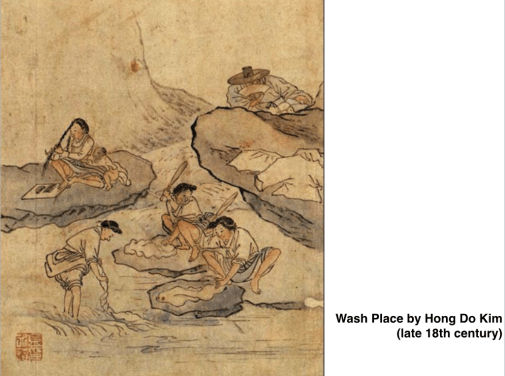
In the late 18th century, ‘the wash place’ by Hong Do Kim shows how a wash place in Korea could be a women’s place even though there were no law and regulations that prohibited men from coming to a wash place.

Digital Ppal-let-ter?

Through survey and focus group research, Kakao Talk’s group chat room was the most preferred way of mobile communication among ajummas. Some of interviewees responded that they purchased smartphones only for using Kakao Talk’s with their friends and family. Like this, Kakao Talk’s group chat rooms were now newly used as communal spaces or the ways of communication today.

Of course, Kakao Talk is one of mobile chatting applications that anyone can use freely. However, I discovered that Kakao Talk’s group chat room in 2016 and the wash place in the before 1960s have much analogy with each other in many ways. (I already wrote about the 6 similarities between wash place and Kakao Talk’s group chat room in my blog)

These two dissimilar places that came from totally different time are very much similar with each other. This makes me so exciting.

Digital Ppal-let-ter = A communal place for Ajummas?

These two places are dissimilar, it is so true. However I realised that they are very much similar with each other at the same time. We’re now using smartphones and the use of smartphones allow us to do many things that we never imagined in pre-smartphone era.

I think ajummas in Kakao Talk’s group chat room and their communication in mobile space are not an entirely new things that could be possible due to the development of new technologies. Maybe, they’ve been communicating with each other in their own communal spaces by their own ways of communication.

In other words, the wash place in the before 1960s was not disappeared at all, rather I consider the wash place continues to exist with us in the shape of Kakao Talk’s group chat room.

We’re now using different communicative tools and methods. And we’re communicate in dissimilar communal spaces compared with pre-smartphone era. Even though many things had been changed, we shouldn’t forget one thing that middle-aged and married women in Korea have been communicating continuously regardless communicative tools, methods, time and spaces.

Digital ppal-let-ter in the future?

Digital Ppal-let-ter is not a new thing at all. It is a women’s communal place today.

The communicative method (from face-to-face to mobile communication), communicative tools (from direct dialogue to smartphones) and communal spaces (Ppal-let-ter (wash place) to Digital Ppal-let-ter (Kakao Talk’s group chat room) are changed, I expect that communication among ajummas will be evaluating continuously with their own ways.

Thus, a discovery of Digital Ppal-let-ter is very important and it must continue to research how this Digital Ppal-let-ter will developing or changing in the future. We shouldn’t be overlooked ajummas in new media and communication research. They’re one of unique female group in Korea and we’re ready-to-be ajummas in the future as well.
디지털 빨래터 프로젝트

Digital Ppal-let-ter 프로젝트

Jung Moon
PhD Candidate
Centre For Ideas, University of Melbourne

?

다양하고 깊은 학문적 연구 (문헌연구)와 질적 양적 연구 (서베이와 포커스그룹 인터뷰)를 통해 아줌마와 스마트폰을 통한 그들만의 모바일 커뮤니케이션 행태에 대한 새로운 해석을 하게 되었습니다. 그러한 해석을 비디오라는 미디어를 통해서 유머러스하게 하지만 학문적인 연구의 본질을 잃지 않는 내용으로 표현했습니다.

빨래터?

연구를 통해 흥미로운 사실을 알아낼 수 있었습니다. 아줌마는 아줌마들만의 소통 공간이 있었고, 그 소통 공간 안에서 그들만의 방식으로 소통해 오고 있었습니다. 다만 그것이 잘 보이지 않았을 뿐. 그리고 보여지지 않았던 이유는 우리가 관심을 두지 않았었기 때문입니다.

그러한 그들만의 공간에서의 소통이 이루어지는 점을 매우 흥미롭게 보면서 또 다른 생각을 이어 나갈 수 있었습니다. 바로 빨래터.

물론 빨래터는 어느 나라에나 존재합니다. 하지만 우리나라의 빨래터는 성격이 조금 달랐습니다. 현재는 실용성, 기능성 그리고 심미성을 고루 갖춘 다양한 가정용 세탁기 덕분에 빨래터에 가는 일이 없지만, 불과 1960년대만 하더라도 정기적으로 빨래터에 가서 묵은 빨래를 해야 하는 일은 당연한 일이었습니다. 이러한 빨래터는 단순히 빨래하는 공간을 뛰어넘는 동네 여인들의 ‘사교의 공간’ 혹은 ‘소통의 공간’이기도 했습니다.

정해놓은 약속 시각에 만나서 수다를 떠는 일은 없었지만, 빨래터에 가면 으레 누군가를 만나게 되었고, 자연스럽게 빨래도 하고 잡다한 수다부터 필요한 생활 정보까지 공유하는 공간의 역할을 했었습니다. 고된 시집살이 이야기부터 자랑하고 싶은 내 자식의 이야기까지, 빨래하며 아줌마들은 다른 아줌마들과 소통도 하고 묵은 스트레스도 날릴 수 있었습니다. 이러한 빨래터를 모티브로 제  Creative Project는 시작되었습니다.

여성의 공간?

사실 아줌마들의 사교의 공간은 빨래터뿐만이 아닙니다. 미용실, 목욕탕 등의 다양한 공간이 존재합니다. 하지만, 빨래터라는 공간을 주된 공간으로 정한 이유는, 빨래터는 여성의 공간, 그리고 한국의 정서가 담겨있는 여성의 공간이기 때문입니다.

18세기 말, 조선 시대 김홍도의 그림, ‘빨래터’는, 동네 아낙들이 빨래터에서 빨래와 목욕을 하는 모습을 훔쳐보는 양반에 대한 풍자를 한 그림입니다. 잘 살펴보면, 빨래터에는 동네 아낙들 (즉 여성)이 자리하고 있고, 양반 (남성)은 빨래터 밖에서 몰래 훔쳐보고 있습니다. 사실, 빨래터에 ‘남성 출입금지’라는 어떠한 법 규정이나 제재가 있었던 것은 아닙니다. 하지만, ‘빨래터’는 여성들이 가는 곳(물론 그 당시의 ‘집안일은 여성의 몫’이라는 잘못된 사상에서 비롯된 것일 수도 있지만)이라고 암암리에 정해져 있었습니다.

빨래터라는 공간에서 여성들은 마음껏 목욕도 하고, 빨래도 하고, 수다도 떨면서 살아왔습니다. 법은 없지만, 남성은 들어올 수 없는 곳, 빨래뿐만이 아니라 다양한 다기능을 해주는 소통의 공간인 빨래터, 빨래터는 여성의 공간이었습니다.

디지털 빨래터?

서베이와 포커스그룹을 통해 알게 된 아줌마들의 넘버원 모바일소통 방법은 카카오톡의 단체 톡 방 이었습니다. 면담자 중 몇 명은 카톡을 하기 위해 스마트폰으로 바꾸기까지 했다고 대답할 정도였습니다. 그만큼, 카카오톡의 단체 톡 방은 아줌마들의 새로운 소통의 장소 그리고 소통방법으로 사용 되고 있습니다.

물론 카카오톡은 모두가 사용할 수 있는 모바일채팅 애플리케이션중의 하나입니다. 하지만, 저는 카카오톡의 단체 톡 방, 특히 아줌마들이 사용하고 있는 이 카카오톡의 단체 톡 방을 빨래터와 겹쳐서 보게 되었습니다. 즉 두 개의 전혀 다른 시대로부터 온 장소가 겹치는 것입니다.

달리 말해서, 아줌마들의 카카오톡 단체 톡 방이 1960년대의 빨래터와 매우 닮아있다는 것입니다. 즉, 현시대 아줌마들의 카카오톡 단체 톡 방을  1960년대의 빨래터의 새로운 버전, 즉 디지털 빨래터로 보았습니다.

디지털 빨래터=아줌마들의 소통 공간?

디지털 빨래터를 만들게 되면서 새로운 사실을 또 깨닫게 되었습니다.

2015년의 아줌마들이 소통하는, 스마트폰을 이용한 카카오톡의 단체 톡 방은 사실 전혀 새로운 것이 아니라는 것입니다. 물론, 새로운 기술의 발전과 출현으로 인해 21세기는 우리가 상상만 했던 일들을 실제로 해내 가며 살아가게 해주었습니다. 스마트폰의 사용이 매우 좋은 예입니다.

하지만, 아줌마들의 활발한 카카오톡의 단체 톡 방 에서의 소통, 그리고 그들의 소통공간은 단순히 스마트폰과 그에 따른 다양한 애플리케이션의 개발로 인해 생긴 것이 아닌, 어쩌면 아주 옛날부터 계속해서 이어져 오고 있는 것일지도 모른다는 생각을 했습니다.

다시 말해서, 1960년대의 빨래터가 사라진 것이 아닌, 2015년의 카카오톡 단체 톡 방의 형태로 계속 이어져 오고있는 것이 아닐까 하는 생각을 했습니다.

소통의 방법과 소통의 도구 그리고 소통하는 장소가 달라졌지만, 우리가 간과해서는 안 될 하나의 매우 중요한 핵심인 ‘중년 여성들의 소통’은 우리도 모르는 새에 계속 꾸준히 이어져 오고 있었던 것입니다. 빨래터의 형태로 그리고 시간이 지난 지금은 스마트폰의 사용을 통한 카카오톡의 단체 톡 방의 형태로.

디지털 빨래터의 진화?

디지털 빨래터는 어느 날 갑자기 생긴 새로운 소통공간이 아닌, 계속해서 진화되어온, 1960년대의 빨래터가 발전된 형태의 아줌마들의 소통공간입니다.

소통방식 (face-to-face에서 mobile communication), 소통 도구 (direct dialogue 에서 smartphones) 그리고 소통장소 (빨래터에서 디지털 빨래터: 카카오톡 단체 톡 방)가 바뀌었지만, 아줌마들의 소통은 그들만의 방식과 모습으로 계속 진화될 것입니다.

따라서 디지털 빨래터의 발견은 매우 중요하고, 앞으로 디지털 빨래터가 어떻게 발전할지에 대한 지속적인 연구도 중요합니다. 동시에, 아줌마들의 소통공간인 디지털 빨래터가 계속 진화되어 질 수 있도록 꾸준한 연구를 통해 도움을 주는 것도 반드시 필요한 일일 것입니다.


Wash place was women-only space!

Screen Shot 2016-03-02 at 11.11.07 AM


I found a painting from the late 18th century during Jo Seon Dynasty, when it was very Confucius society in Korea. The painting by Hong Do Kim (see above) is about the wash place. The most represent characteristic of his painting was “true-view landscape painting”. He illustrated the everyday lives of ordinary people in his paintings. In this painting, he actually satirised “scholar gentleman class’s Confucian society”. There are various paintings about the wash place in Korea but I chose his work because I thought this painting describes the wash place of the past vividly.

This painting is about the wash place, but as you can see, that guy (yang ban, scholar gentleman class) is looking at the women secretly hiding behind the rocks because he wanted to know what happens in the place of only women are allowed. In the late 18th century in Korea, (actually it was called Jo Seon Dynasty), these scholar gentleman class were usually known as being respectable and being laid off women. This painting is about the wash place, but at the same time it is actually about satirising the voyeurism of ‘scholar gentleman class’s Confucius society’ in Korea.

Also, it can be emphasised that the wash place was a space of women where men were prohibited to come tacitly. This painting is supposed to be one of the relevant references to support the idea that the wash places were women’s space where men are restricted to come in except children.

여성 전용 공간 이었던 빨래터

Screen Shot 2016-03-02 at 11.11.07 AM.png

카카오톡과 빨래터에 관해 연결고리를 찾기 위해서는 반드시 빨래터에 관한 리서치도 필요했다. 사실 빨래터에 관한 그림은 나같이 그림에 해박한 지식을 갖고 있지 않더라도 누구나 알고 있을 정도로 유명하다. 박수근, 신윤복 그리고 김홍도 화백의 빨래터는 우리가 한 번 쯤 본 적이 있는 우리와 매우 가까운 그림들이다. 이들 모두 빨래터에 대한 그림을 그렸고, 꽤나 유명한 작품들이다. 이 그림 속에서 보여지는 과거의 빨래터의 모습은 우리가 티비를 통해 혹은 다른 미디어를 통해 알고 있는 그 옛날의 그 빨래터의 모습을 담고 있다.

그 중에서는 나는 김홍도 화백의 빨래터를 분석해 보기로 했다. 가장 보편적인 빨래터에 관한 그림이라는 생각이 들었고 또한 조선시대 여인네들의 빨래터를 이용하는 모습을 그림이라는 미디엄을 통해서 손쉽게 알 수 있기 때문이다. 그리고 개인적으로 이 그림을 좋아하기도 했고! 아무튼 이 그림을 통해서 보면 저 멀리 바위 사위에서 양반이 부채로 얼굴을 가리고 빨래터의 여인들을 몰래 훔쳐보고 있는 걸 알 수 있다. 이 그림을 통해 그 당시의 사회상, 남녀차별, 신분의차이 등을 이야기 하기 시작하자면 끝이 없지만 나는 단순하게 이 그림이 왜 내 PhD연구를 서포트 해주고 있는지에 관해서만 이야기 하고 싶다. (내가 논문제출 하기 전의 마지막 공개 세미나를 할 때 이 그림에 대해서 설명을 했었는데 그 당시에 여성학자인 교수님들 그리고 학생들의 다양한 의견이 나왔었다. 왜 그림속에서 여성들의 다리가 나왔는지, 저 양반의 관음증에 대해서 점점 더 깊게 들어가기도 했었지만 내 연구에서 김홍도의 빨래터 그림에 대한 분석이 그렇게 깊게 들어갈 필요는 없다고 생각한다)

다시 그림으로 돌아와서, 바위 틈 사이에서 부채로 얼굴을 가리고 여인들을 훔쳐보는 저 양반의 모습을 통해 알 수 있는 점은, 빨래터 라는 공간이 ‘여성에게만 허락된’ 공간 이었다는 점이다. 사실 전에도 말했다시피 빨래터에 ‘남성 출입 금지’ 라는 어떠한 법이나 규율이 없었고 1960년대의 빨래터에도 없었다. 단지 암묵적으로 그리고 사회적으로 빨래터는 ‘여성의 공간’, ‘남성이 들어오면 불편한 공간’, ‘여성들만의 소통공간’, ‘여성들만의 사교공간’ 등으로 인식 되고 그렇게 유지되어 온 것이다. 따라서 이 그림을 통해 빨래터라는 공간이 ‘여성들의 공간’임을 증명해주고 있다는 사실을 다시 한 번 알게 되었다. (사실 빨래터가 여성만의 공간 이라는 점은 우리가 알고는 있지만 제대로 증명할 수 있는 방법이 없었는데, 이러한 김홍도의 그림을 통해 그러한 주장을 뒷받침 할 수 있게 된 것이다)

따라서 빨래터는 여성의 공간이고, 조선시대를 거쳐 1960년대 까지 우리나라에 존재했던 빨래터라는 공간이 현재의 아줌마들이 사용하는 카톡 단체톡방과 매우 닮아있음을 다시 한 번 강조하고 싶다.